

When Do You Need Eye Testing?
A Comprehensive Guide by Optometrist
Maintaining good eye health is crucial for overall well-being, yet many people overlook regular eye examinations. Knowing when to get your eyes tested can prevent serious vision problems and ensure that your eyes are functioning optimally. This comprehensive guide will help you understand the importance of regular eye exams, the signs that indicate you need an eye test, and how often different age groups should have their eyes checked.
Why Eye Exams Are Important
Eye exams are not just about checking your vision. They play a crucial role in detecting eye diseases and other health issues that can affect your overall health. During an eye exam, an optometrist can detect conditions like glaucoma, cataracts, macular degeneration, and diabetic retinopathy, which can lead to vision loss if left untreated. Moreover, an eye exam can reveal signs of systemic diseases such as diabetes, high blood pressure, and even certain cancers.
%
Detection rate of early eye diseases
Signs That You Need an Eye Test
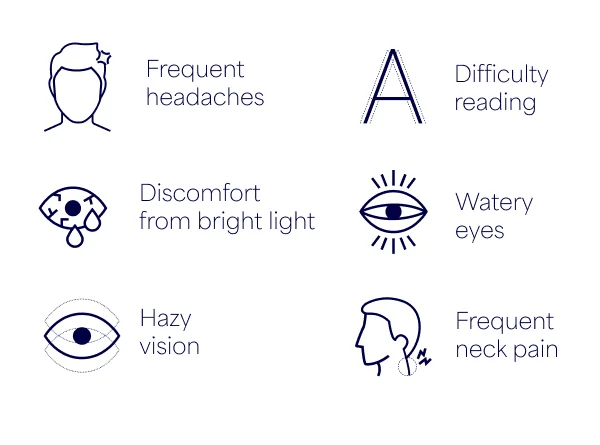
While routine eye exams are essential, there are specific signs that indicate you might need an eye test sooner than your scheduled appointment. Here are some key symptoms to watch out for:
- Blurred Vision: Difficulty seeing objects clearly at any distance can indicate refractive errors such as myopia, hyperopia, or astigmatism.
- Frequent Headaches: Persistent headaches can be a sign of eye strain, which may result from an uncorrected vision problem or prolonged screen time.
- Eye Pain or Discomfort: Pain, discomfort, or a feeling of pressure in the eyes should be evaluated promptly.
- Double Vision: Seeing double images can be a sign of serious conditions such as strabismus or other neurological issues.
- Light Sensitivity: Increased sensitivity to light (photophobia) can indicate various eye conditions including infections or inflammation.
- Flashes of Light or Floaters: Seeing flashes of light or a sudden increase in floaters (small spots that drift through your field of vision) could signify retinal detachment, which requires immediate medical attention.
- Difficulty Seeing at Night: Struggling to see in low light conditions can be a sign of cataracts or other eye problems.
- Changes in Vision: Any sudden changes in vision, such as a loss of peripheral vision or the appearance of a dark spot in the center of your vision, should prompt an immediate eye exam.
Age-Specific Recommendations for Eye Exams
Different age groups have varying needs for eye examinations. Here are the general guidelines:
Infants and Toddlers (Birth to 3 years):
First Exam: Between 6-12 months.
Follow-ups: As recommended by your pediatrician or eye care professional.
Preschool Children (3 to 5 years):
First Exam: At 3 years old.
Follow-ups: Before starting school and every 1-2 years thereafter.
School-Aged Children (6 to 18 years):
Frequency: Every 2 years, or annually if they wear eyeglasses or contact lenses.
Adults (19 to 40 years):
Frequency: Every 2 years. Annual exams are recommended for those with vision problems, a family history of eye disease, or who have certain health conditions (e.g., diabetes).
Adults (41 to 60 years):
Frequency: Every 2 years. Presbyopia, the age-related loss of near vision, typically begins to manifest, necessitating more frequent checks.
Seniors (61 years and older):
Frequency: Annually. The risk of developing cataracts, glaucoma, and macular degeneration increases with age, making regular exams crucial.
Did you know:
Certain groups may need more frequent eye exams due to specific risk factors: People with Diabetes and Family History of Eye Disease